
Leica Q3 Compact Digital Camera

Leica Q3 Compact Digital Camera
Key Features
- 60MP full-frame BSI CMOS sensor with Triple Resolution Technology
- Fixed Summilux 28mm f/1.7 ASPH. lens with integrated macro mode
- Phase detection autofocus with subject detection and tracking
- Internal 8K and C4K video recording with Apple ProRes support
- Digital crop modes up to 75mm equivalent focal lengths
- Tilting rear touchscreen with 5.76MP OLED electronic viewfinder
- IP52-rated dust and spray resistance with magnesium alloy construction
- Leica FOTOS connectivity with WiFi, Bluetooth and USB-C support
Leica Q3 Compact Digital Camera Summary
The Leica Q3 is a full-frame compact camera built around a fixed Summilux 28mm f/1.7 ASPH. lens and 60MP BSI CMOS sensor, positioned within Leica’s Q-series range alongside the Q3 43 and Q3 Monochrom. Its combination of high resolution, compact dimensions and direct manual controls continues to appeal to photographers who prefer a more focused shooting experience than a larger interchangeable lens system.
The fixed 28mm focal length particularly suits street photography, reportage, travel and environmental portraiture, while integrated crop modes provide additional framing flexibility from a single lens. Leica also retains the integrated macro mode for close-focus photography down to 17cm, expanding the camera’s versatility for detail subjects and everyday shooting.
For photographers considering a fixed-lens Leica camera in 2026, the Q3 remains the wider and more versatile option within the current compact camera lineup, particularly for those who prefer a broader field of view than the tighter perspective offered by the Leica Q3 43.
Overview And Key Improvements
The Leica Q3 introduces substantial operational upgrades over the Leica Q2, particularly in autofocus, video capability, handling and connectivity. A new 60MP full-frame BSI CMOS sensor replaces the 47.3MP sensor used in the Q2, while the latest Maestro IV processor increases continuous shooting speeds to 15fps and extends ISO performance up to 100,000.
One of the most significant changes is the move from contrast-detection autofocus to a hybrid autofocus system with phase detection, improving subject tracking and low-light focusing performance for street photography, candid shooting and everyday use. Leica also adds internal 8K video recording with Apple ProRes support, a tilting rear touchscreen, upgraded 5.76MP OLED electronic viewfinder, USB-C connectivity and optional wireless charging through the HG-DC1 handgrip.
The body maintains the same weather-sealed Q-series body and fixed Summilux 28mm f/1.7 ASPH. lens, while expanding the digital crop modes to 90mm equivalent focal lengths for greater framing flexibility from a single-camera setup.
How The Q3 Fits Into Everyday Shooting
The 60MP sensor with Triple Resolution Technology allows lower file sizes without cropping the sensor area, helping maintain shooting speed and manage storage more efficiently during travel or extended projects. Gareth found the increase in resolution immediately noticeable when working with RAW and JPEG files, particularly when cropping images later.
The fixed Summilux 28mm f/1.7 ASPH. lens remains versatile for street, travel and everyday photography, while in-camera crop modes extending to 90mm equivalent provide greater framing flexibility than the Leica Q2. Phase detection autofocus improves subject tracking consistency over the Q2, and the stabilisation system supports handheld video recording alongside slower shutter speed shooting. Internal 4:2:2 10-bit recording and 8K video recording also extend the Q3 further into hybrid stills and video workflows.
Explore our Leica Q3 review for hands-on impressions and sample images, or compare the original 28mm model with the Leica Q3 43 to decide which focal length best suits your style of photography.
Leica Q3 Camera In More Detail
Image Quality And Cropping Flexibility
The Leica Q3 combines a 60.3MP full-frame BSI CMOS sensor with the fixed Summilux 28mm f/1.7 ASPH. lens, increasing resolution over the Leica Q2 while providing greater flexibility for cropping and large-format output. The sensor records at 60MP, 36MP or 18MP through Leica’s Triple Resolution Technology, which uses the full sensor area at every setting rather than applying a conventional crop. This allows photographers to reduce file sizes for everyday shooting while maintaining the same field of view and optical characteristics from the lens.
For Leica Q3 landscape photography, documentary work and travel photography, the higher resolution sensor provides additional cropping flexibility while retaining strong detail levels. Integrated digital crop modes extend framing options from 28mm through to 90mm equivalent, allowing the full-frame compact camera to cover a broader range of subjects without changing lenses. Dynamic range also improves over the Leica Q2, helping retain highlight and shadow detail in high contrast scenes.
The Summilux 28mm f/1.7 ASPH. lens remains central to the Leica Q3 shooting experience, maintaining high sharpness across the frame at wider apertures alongside smooth defocus rendering for environmental portraits and close-focus subjects. Leica Q3 minimum focus distance extends to 17cm in macro mode, adding further versatility for detail photography, food, objects and everyday subjects.
Why Photographers Still Choose 28mm
This compact camera continues the Q-series approach of pairing a fixed Summilux 28mm f/1.7 ASPH. lens with a full-frame sensor, a combination closely associated with street photography, reportage photography and travel photography. A 28mm field of view captures more of the surrounding environment than tighter focal lengths, allowing subjects to be framed within their wider setting rather than isolated completely. This approach suits documentary photography, environmental portraits and candid everyday shooting where context forms part of the image.
For many photographers, the fixed-lens compact camera design is also central to the Leica Q3 experience. Removing lens selection from the shooting process supports a more consistent way of working while keeping the camera smaller than most interchangeable lens systems. The combination of the fast f/1.7 aperture, optical image stabilisation and full-frame sensor also supports handheld shooting in lower light while maintaining shallow depth of field when required.
While the Q3 43 variant provides a tighter standard perspective, the original remains the wider option for photographers regularly shooting cities, interiors, travel scenes and everyday subjects. The 60MP sensor also makes the integrated crop modes more practical for occasional tighter framing, extending the usefulness of the single-lens setup without significantly altering handling or workflow.
Autofocus And Everyday Shooting
The Leica Q3 replaces the contrast-only autofocus system of the Leica Q2 with a new hybrid autofocus system combining phase detection autofocus, depth mapping and contrast detection. This significantly changes how the camera responds during everyday shooting, particularly when photographing moving subjects, candid moments or lower contrast scenes. Focus acquisition is faster overall, while subject tracking remains more stable during continuous shooting and handheld use.
For street photography and reportage photography, the updated autofocus system allows the Leica Q3 to react more quickly to changing scenes without altering the familiar Q-series handling experience. Leica Q3 autofocus settings also provide improved subject detection behaviour for people and everyday subjects, helping maintain focus consistency during continuous shooting sequences. The electronic shutter supports burst shooting at up to 15fps, increasing the likelihood of capturing brief gestures, expressions and moments of movement.
Low-light autofocus performance also improves over the Leica Q2. In darker environments where contrast-detection systems can slow down or search for focus, the newer model maintains more stable autofocus operation while retaining the discreet handling and compact form factor associated with the Q-series.
Handling And Everyday Carry
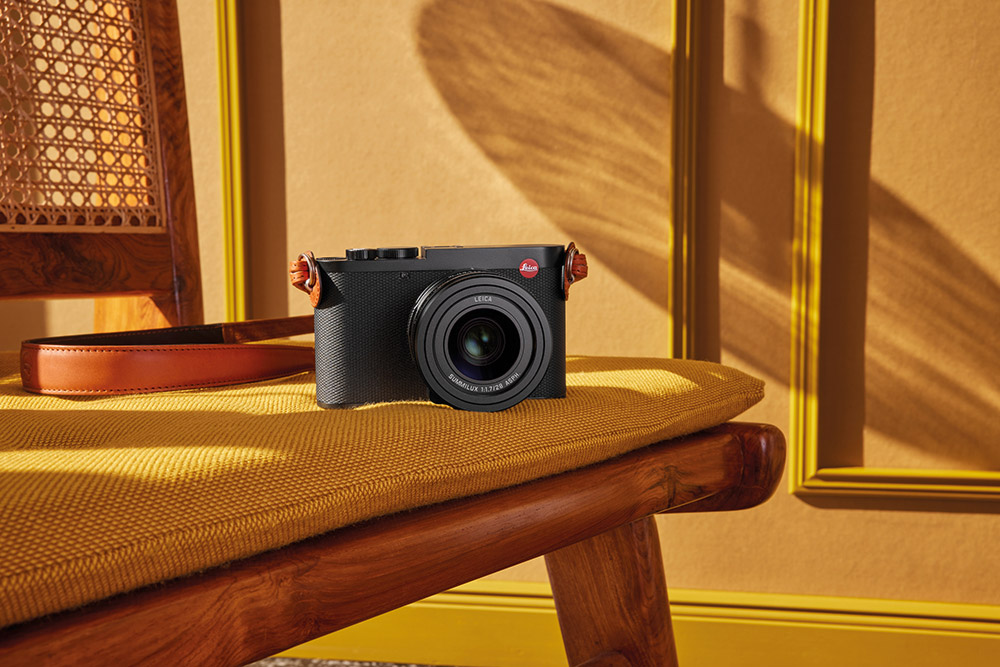
The magnesium alloy body with leatherette covering maintains the understated Leica Q-series design, while the tilting rear touchscreen, updated rear command dial and revised button placement improve operational speed over the Leica Q2. Physical aperture, shutter speed and macro controls remain directly accessible on the body and lens, reducing menu reliance during active shooting.
Despite the full-frame sensor and Summilux 28mm f/1.7 ASPH. lens, the camera remains relatively compact for a full-frame camera, supporting travel photography, documentary work and everyday carry. The fixed-lens design also reduces the need for additional equipment compared to interchangeable lens systems. IP52-rated dust and spray resistance supports outdoor use in less predictable conditions.
The BP-SCL6 Leica Q3 battery increases capacity over the Leica Q2, while USB-C charging and optional wireless charging through the HG-DC1 handgrip provide more flexible charging options during travel and extended shooting days. Leica Q3 accessories include thumb supports, leather cases, soft releases and lens hoods, allowing photographers to adapt handling and carrying preferences to their own workflow. This also supports interest in used accessories, cases and Leica Q3 thumb grip options for long-term ownership and customisation.
Video And Connectivity
The camera records internal 8K, C4K and 4K video alongside Full HD recording up to 120p for slow motion capture. Support for H.265 and Apple ProRes recording improves colour grading and editing flexibility, while 4:2:2 10-bit capture provides greater control during post-production workflows. Combined with the stabilised full-frame sensor and fixed Summilux 28mm f/1.7 ASPH. lens, the Leica Q3 supports detailed handheld video recording within a relatively compact full-frame camera body.
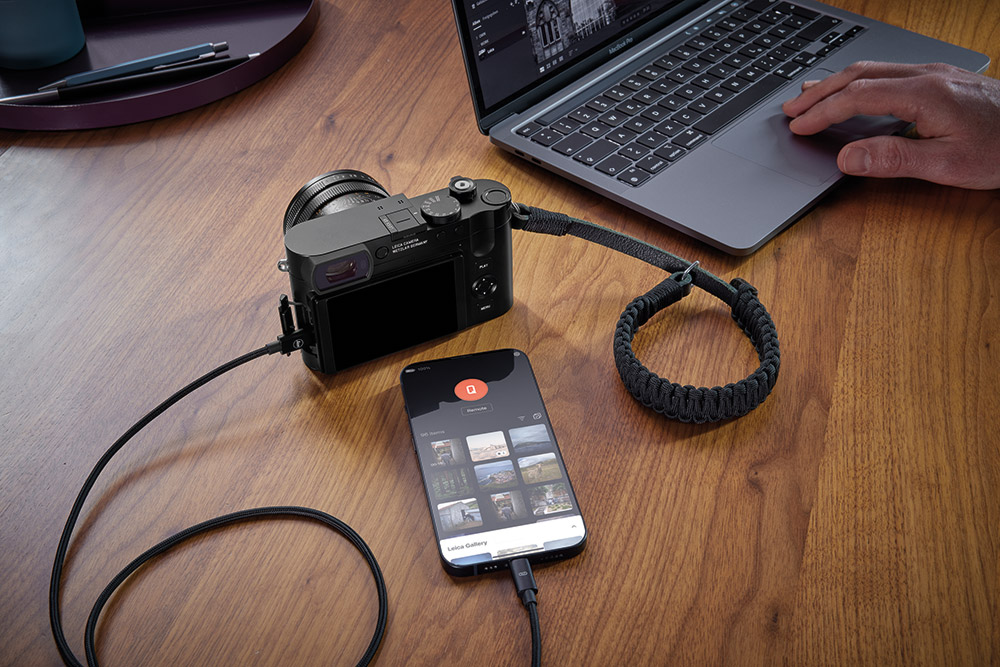
USB-C 3.1 connectivity handles charging and faster file transfer directly from the camera, while HDMI output supports external monitors and external recording setups. Bluetooth 5.0 LE and updated WiFi improve Leica FOTOS connectivity for image transfer and remote camera control, supporting hybrid camera workflows and content creation alongside still photography.
The tilting rear touchscreen also assists lower-angle video framing, while the phase detection autofocus system maintains more stable subject tracking during handheld filming than the contrast-only autofocus system used in the Leica Q2.
Accessories And Personalisation
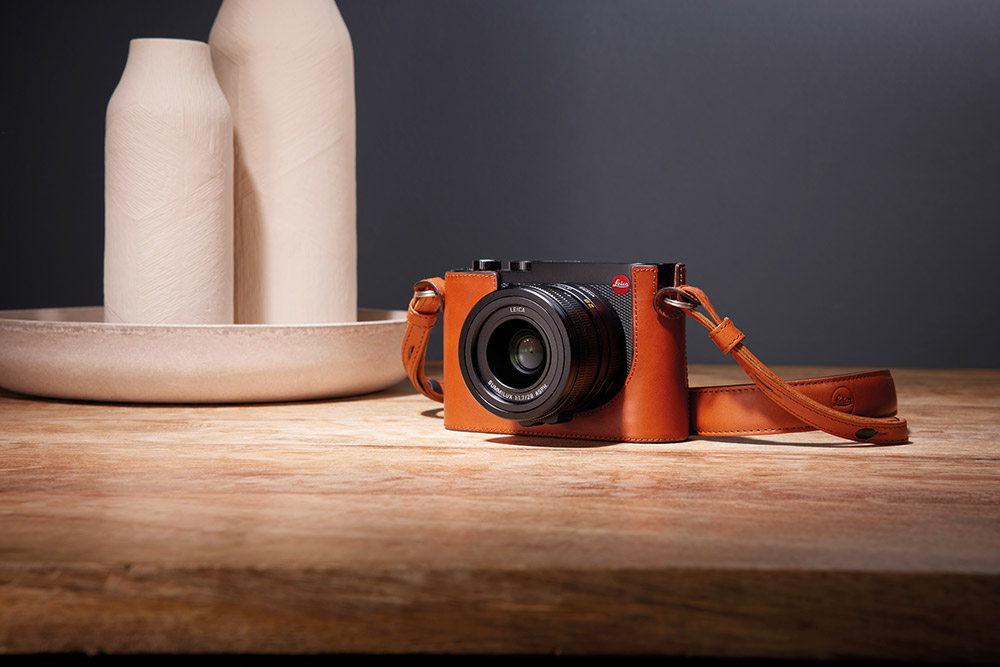
Leica Q3 accessories include leather half cases, thumb supports, soft release buttons, lens hoods and carrying straps across multiple finishes, allowing photographers to adapt the camera for different carrying and shooting preferences while maintaining the understated Q-series design language. Popular Leica Q3 accessories also include a Thumb Support, Leather Half Case.
For street photography, travel photography and everyday carry, the thumb grip and thumb support accessories improve single-handed stability during active shooting. Leather half cases help protect the body without adding significant bulk, keeping the fixed-lens compact full-frame camera lighter than many interchangeable lens setups. This flexibility also contributes to long-term interest in used Leica Q3 accessories and customisation options among Leica users.
The Leica Q3 is also the first Q-series camera to support optional wireless charging through the HG-DC1 handgrip and compatible charging pads. Combined with USB-C charging and the updated Leica Q3 battery, this provides more flexible charging options during travel, desk-based workflows and extended everyday use.
Frequently Asked Questions
What is the difference between the Leica Q3 and Leica Q3 43?
The Leica Q3 uses a fixed Summilux 28mm f/1.7 ASPH. lens suited to street photography, travel photography and wider environmental compositions. The Leica Q3 43 uses a tighter APO-Summicron 43mm lens that produces a more natural standard perspective for portraits and everyday subjects. Both cameras share the same 60MP full-frame sensor, Maestro IV processor and overall body design. The main difference between the Leica Q3 and Leica Q3 43mm models comes down to preferred focal length and shooting style rather than image quality or build.
Is it a worthwhile upgrade from the Q2?
For photographers comparing the Leica Q2 vs Q3, the most significant changes are phase detection autofocus, the tilting touchscreen, improved low-light autofocus performance and internal 8K video recording. Resolution also increases from 47.3MP to 60.3MP, making the integrated crop modes more practical for tighter framing. Photographers using the Leica Q2 primarily for still photography may notice the autofocus and handling improvements most clearly during everyday shooting.
Is the Leica Q3 still worth buying in 2026?
The Leica Q3 remains one of the most advanced fixed-lens full-frame compact cameras available, combining a 60MP sensor, fast Summilux 28mm lens and hybrid autofocus system in a relatively compact weather-sealed body. Its combination of image quality, portability and direct manual controls continues to appeal to photographers who prefer a more simplified shooting experience than larger interchangeable lens systems.
Is the Leica Q3 good for street photography?
The Leica Q3 is particularly well suited to street photography thanks to its compact full-frame design, discreet handling and fixed 28mm field of view. The updated autofocus system improves focus acquisition and subject tracking compared to the Leica Q2, while the fast f/1.7 aperture and optical image stabilisation support handheld shooting in changing light conditions.
Can this compact camera replace an interchangeable lens camera?
For photographers whose work centres around a single focal length, the camera can replace a larger interchangeable lens system for travel, documentary and everyday photography. The 60MP sensor and integrated crop modes up to 90mm provide additional framing flexibility without changing lenses, while the fixed-lens design keeps the overall system smaller and simpler to carry.
What is the Leica Q3 minimum focus distance?
The minimum focus distance is 17cm when using the integrated macro mode on the Summilux 28mm f/1.7 ASPH. lens. Macro mode is activated directly on the lens barrel rather than through a menu setting, making it practical for detail photography, food, objects and close travel subjects.
What accessories are worth buying?
Popular Leica Q3 accessories include the Thumb Support, Leather Half Case and Leica HG-DC1 Wireless Charging Handgrip. For street photography and travel use, the thumb support improves single-handed stability, while the leather half case protects the body without adding significant bulk. Soft release buttons, carrying straps and lens hoods also allow photographers to personalise handling and carrying preferences.
Does the camera support wireless charging?
Yes. This is the first Q-series camera to support optional wireless charging through the Leica HG-DC1 handgrip and compatible charging pads such as the Leica Drop XL Wireless Charger. USB-C charging also remains available without the grip for everyday charging and travel use.
Is it weather sealed?
The compact camera carries an IP52 rating for dust and spray resistance, matching the Leica Q2. This supports outdoor photography, travel photography and everyday shooting in light rain or dusty conditions, although it is not intended for prolonged exposure to heavy rain or moisture.
Discover everything you need to know about image quality, autofocus and shooting features in our Leica Q3 review.
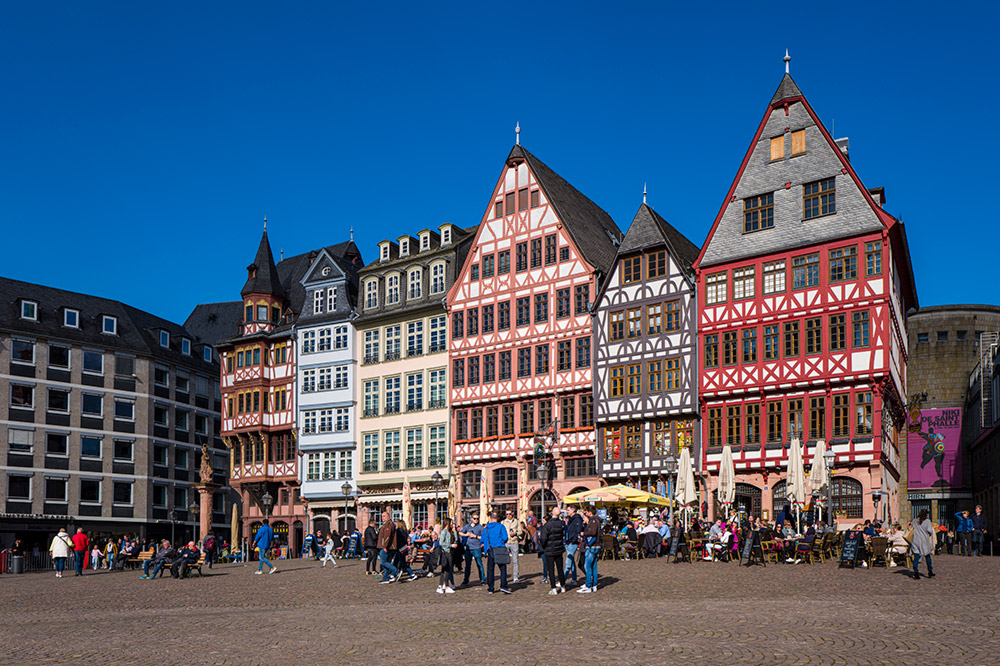
Sample images and lifestyle


What's in the Box
- Leica Q3 Compact Digital Camera
- Leica BP-SCL6 rechargeable battery
- Leather carrying strap
- Lens hood
- Lens cap
- Accessory shoe cover
- Instructions
Specifications
| Offers: |
| Offer Category: N/A |
| Offer Product Type: N/A |
| Model: Leica Q3 |
| Level: N/A |
| Year Of Release: N/A |
| AE Bracketing: N/A |
| Autofocus Modes: N/A |
| Articulated Screen: N/A |
| Aperture priority: Yes |
| Battery: N/A |
| Built-in flash: N/A |
| Battery Life (CIPA): 350 |
| Camera CIPA image stabilization rating: N/A |
| Colour: N/A |
| Continuous drive (fps): 15 |
| Custom white balance: Yes |
| Digital zoom: Yes |
| Effective pixels (megapixels): 60 |
| Environmental Sealing: N/A |
| Exposure compensation: N/A |
| External flash: Yes |
| Flash range (metres): N/A |
| Focal length (equiv.): 28 mm |
| Focal length multiplier: N/A |
| Flash modes: N/A |
| GPS: N/A |
| HDMI Port: N/A |
| Headphone port: N/A |
| Height (mm): 80 |
| Length (mm): N/A |
| Width (mm): 130 |
| Weight (g): N/A |
| Weight (inc. batteries) (g): 743 |
| Image ratio w:h: N/A |
| Camera Image stabilization: N/A |
| ISO: Auto, 50 - 100000 |
| JPEG quality levels: 9520 x 6336 pixels (60.3 mp |
| Live view: Yes |
| Camera Lens mount: N/A |
| Manual exposure mode: Yes |
| Maximum shutter speed (electronic): N/A |
| Maximum ISO: 100000 |
| Maximum ISO (boosted): N/A |
| Max resolution: N/A |
| Maximum shutter speed (seconds): N/A |
| Maximum aperture: 1.7 |
| Manual focus: Yes |
| Microphone: N/A |
| Microphone port: N/A |
| Camera Minimum focus distance (cm): 30 |
| Minimum ISO: 50 |
| Minimum ISO (boosted): N/A |
| Minimum macro focus distance (cm): 17 |
| Minimum shutter speed (seconds): N/A |
| Metering modes: N/A |
| Number of focus points: 315 |
| Number of white balance presets: 7 |
| Optical zoom multiplier: N/A |
| Orientation sensor: N/A |
| Other resolutions: N/A |
| Processor: Leica Maestro series (Maestro IV) |
| Remote control: N/A |
| Screen dots: 1843200 |
| Screen size: N/A |
| Screen type: N/A |
| Self-timer: Yes |
| Shutter priority: Yes |
| Speaker: N/A |
| Sensor photo detectors (megapixels): 62 |
| Sensor size: N/A |
| Sensor type: N/A |
| Storage types: N/A |
| Subject / scene modes: N/A |
| Timelapse recording: Yes |
| Touchscreen: Yes |
| Camera Type: N/A |
| Uncompressed format: N/A |
| Camera USB: N/A |
| USB charging: Yes |
| Viewfinder coverage: N/A |
| Viewfinder magnification: N/A |
| Viewfinder resolution: 5760000 |
| Viewfinder type: N/A |
| Video formats: N/A |
| Video Mode Categories: N/A |
| Video Modes: N/A |
| WB Bracketing: N/A |
| Wireless: N/A |
| Notes: N/A |