

Canon RF 75-300mm f/4-5.6 Lens

Canon RF 75-300mm f/4-5.6 Lens
Found it cheaper elsewhere? Ask us about price matching.
Trade in your old gear towards this purchase.
A standout choice for its class — our team's pick for image quality and handling.
TRADE-UP Trade in & save Looking to sell your Canon RF 75-300mm f/4-5.6 Lens?
- Award winning service for over 50 years
- Free UK delivery on orders over £50
- Buy with confidence from a trusted retailer
Product Details
Key Features
- 75-300mm telephoto zoom range for wildlife, sports and distant subjects
- Lightweight 507g design suitable for handheld shooting
- Close focusing distance of 1.5m at 300mm
- 7-blade circular aperture for background separation
- Super Spectra Coating to reduce flare and ghosting
- Compatible with full-frame and APS-C EOS R cameras
- DC focus motor for reliable autofocus operation
Canon RF 75-300mm F/4-5.6 Lens Summary
The Canon RF 75-300mm f/4-5.6 is an entry-level telephoto zoom for photographers who want extended reach in a lightweight and affordable package. Covering a useful 75-300mm range, it suits subjects like wildlife, birds, sports and everyday outdoor photography where getting closer to subjects is not always possible.
Weighing just 507g, the Canon zoom lens is easy to carry for handheld shooting, even over longer sessions. On APS-C EOS R cameras, the effective field of view extends further, which makes it particularly appealing for photographers starting out with wildlife or bird photography.
Image quality is best in good light and at mid apertures, where the lens can produce detailed, pleasing results even with high resolution sensors found in Canon cameras. As with many lenses in this class, optical compromises are present, particularly in high-contrast scenes, but within its intended use and price point it offers a versatile way to explore telephoto photography without the large size or high cost of more advanced lenses.
Canon RF 75-300mm F/4-5.6 Lens in More Detail
Telephoto reach for everyday use
The 75-300mm range provides flexibility when photographing wildlife and birds, particularly in open environments where subjects are often further away. On APS-C EOS R bodies, the tighter field of view helps bring distant subjects closer in the frame, making the lens a good option for beginners who are exploring wildlife photography without specialist super-telephoto lenses.
Handling and portability
At just over 500g, the lens is comfortable to handhold for extended periods. This is especially noticeable when walking longer distances or shooting handheld for birds and general outdoor subjects. The relatively compact size also makes it easy to pack with other kit, which suits travel and casual outings.
Hands-on observations
During hands-on use, the lens is capable of producing pleasing results, especially when conditions are favourable, especially at mid focal lengths and when stopped down slightly. One limitation that becomes noticeable is purple fringing in high-contrast areas, especially around out-of-focus highlights or backlit subjects such as branches, feathers or sky edges. This is most visible when photographing subjects against bright backgrounds, and is something users should be aware of when viewing images at larger sizes.
Use for stills and video
Autofocus performance is sufficiently quick for general wildlife and outdoor use, with a DC motor providing consistent focus acquisition for stills. For video, the lightweight design helps keep handheld footage manageable, although the variable aperture and motor noise mean this lens is best suited to casual recording rather than demanding video.
Canon RF 75-300mm F/4-5.6 FAQ
Is the Canon RF 75-300mm f/4-5.6 suitable for wildlife and bird photography?
Yes, particularly for beginners. The zoom range provides useful reach for birds and wildlife, especially when used on APS-C EOS R cameras where the field of view is effectively closer.
What reach does the RF 75-300mm provide on APS-C cameras?
Canon APS-C cameras use a 1.6x crop factor. When mounted on an APS-C mirrorless body, the Canon RF 75-300mm f/4-5.6 provides an effective full-frame equivalent field of view of approximately 120-480mm, which is useful where extra reach helps fill the frame.
How does the lens perform in real-world wildlife use?
The lens can produce detailed and pleasing images, especially at mid focal lengths in good light. It is lightweight enough for handheld shooting during longer walks or extended periods outdoors.
Does the lens suffer from chromatic aberration?
Yes. Purple fringing can be noticeable in high-contrast areas, particularly around backlit subjects or slightly out-of-focus highlights.
How is autofocus with moving subjects?
Autofocus is reliable for general wildlife, birds and outdoor action, although it is not intended for fast professional sports or erratic movement in very low light.
Is this lens suitable for video?
It can be used for casual video thanks to its lightweight design, but the variable aperture, optical limitations and apparent motor noise mean it is better suited to stills on the whole.
Which cameras is the lens compatible with?
The lens works with all Canon EOS R mirrorless cameras, including full-frame and APS-C models.
Where can I see real-world sample images and a full hands-on review?
You can read our in-depth review of the Canon RF 75-300mm f/4-5.6, which includes wildlife samples and detailed shooting observations, on the Park Cameras blog.
Canon RF 75-300mm f/4-5.6 Sample images
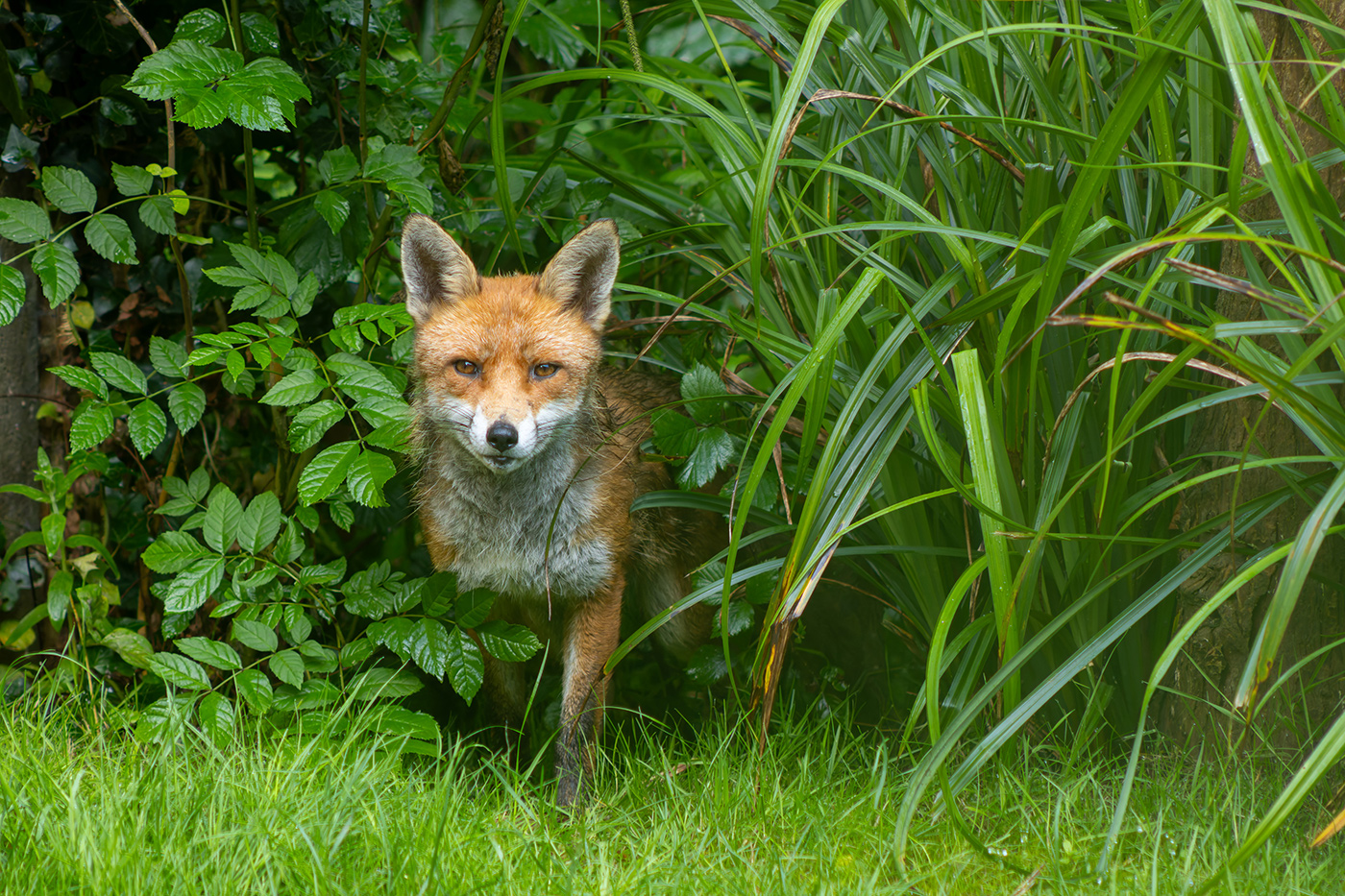
Sample at 190mm. Camera settings: 1/320 sec. f/5.0. ISO 1250
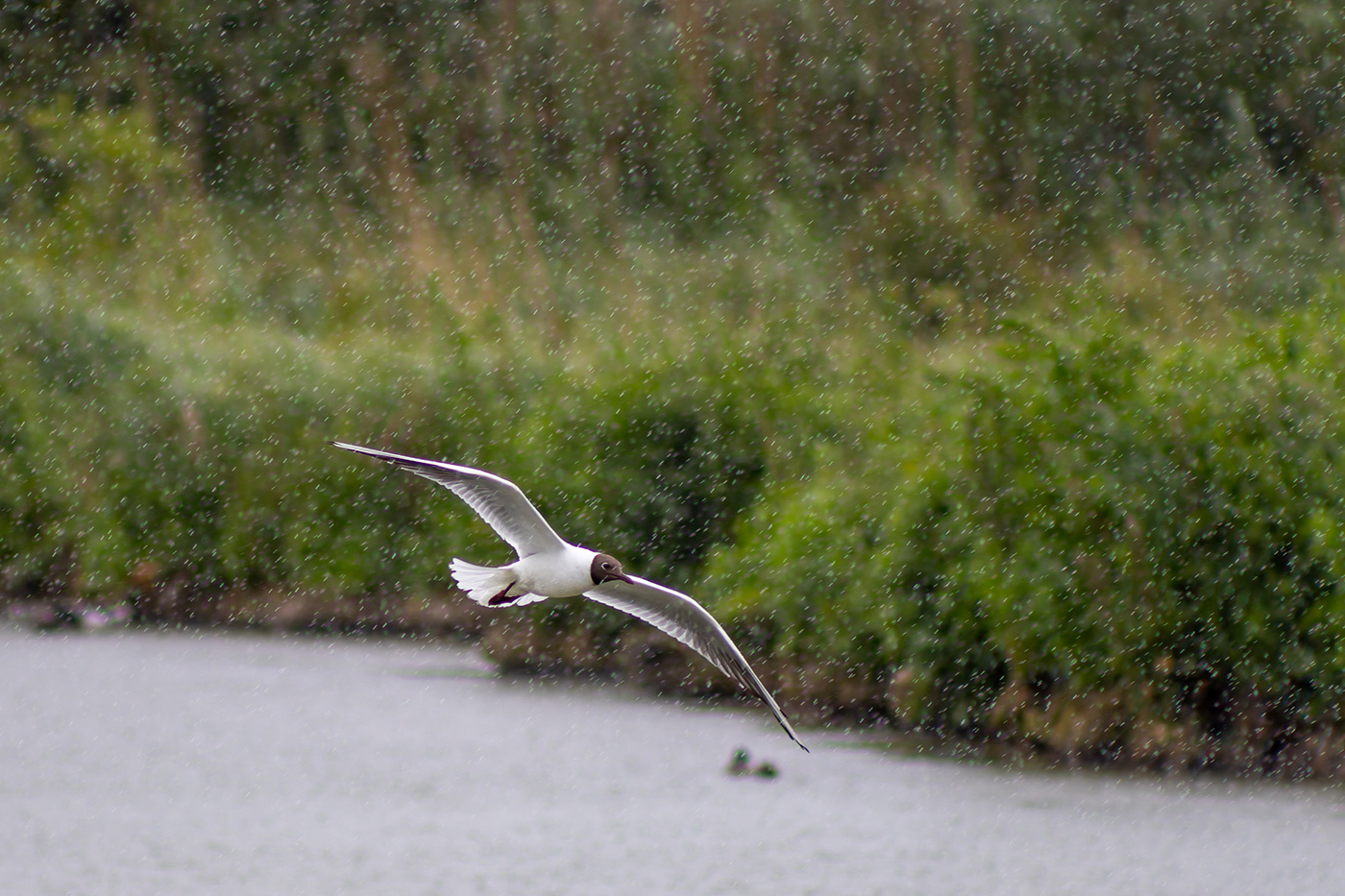
Sample at 290mm. Camera settings: 1/1000 sec. f/5.6. ISO 500
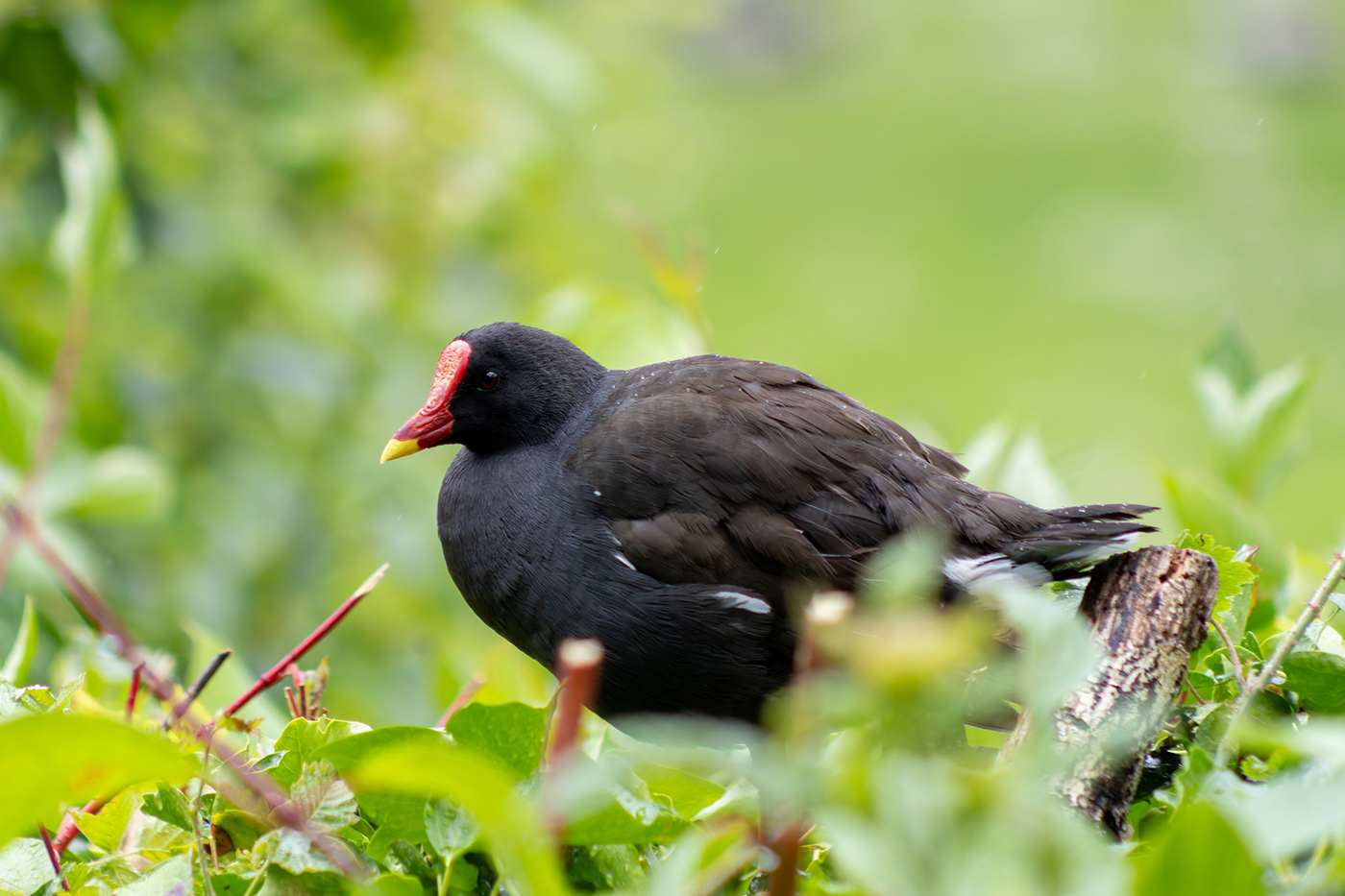
Sample at 220mm. Camera settings: 1/1000 sec. f/5.0. ISO 2500
What's in the Box
- Canon RF 75-300mm f/4-5.6 Lens
- Lens Cap E-58 II
- Lens Dust Cap RF
- User Manual
Specifications
| Offers: Price Drop |
| Focal length: 75 - 300 mm |
| Maximum focal length: 300.0 |
| Maximum aperture (number): 4 |
| Minimum focal length: 75.0 |
| Best For Wildlife and Sport: Yes |
You May Also Like
What People Say
No reviews yet — be the first to review this product.